Jun 1, 2016, 7 min read
The Future of Black Music, Built Off the Power of Black Music’s Past

In a recent conversation with the talented juice-man himself, Jordan Williams aka Sonny Miles, we spoke on the evolution of popular black music and it’s next frontier.
We questioned what led our black music to where it is today, for good or bad. Is it because of label pressure that lyricists take the back seat to crooners? Why is our generation so obsessed with computer-generated bass? Do labels even matter anymore?
Questions we posed as Jordan eloquently broke down his belief that we are in the middle of a transition, one that will revitalize the world’s most influential form of music: Popular black music.
Black music isn’t only rap music. It’s funk, it’s jazz, it’s rock and yes, it’s even country (your history books probably never told you that…)
It’s the music that sets the tempo for your late nights in the club and your early mornings in class or work. The music that uplifts you during the great times and strengthens you during the rough. Music that has a cadence matching those of our African ancestors. Music that we all desperately need to continue to evolve.
My conversation with Jordan led me to connect the dots to this impending evolution. An evolution that utilizes the power of its predecessors to form fusions of blackness. Power built through funk of the 60s, disco of the 80s, neo-soul of the 90s, gospel of the 2000s and lastly, rap of all decades.
If you kept your eyes open, the proof is deep inside the banana pudding.
Here are some examples of the new generation of black musicians, curating the soundtracks to our lives by pulling vibes from the power of their parents’ personal catalogues:
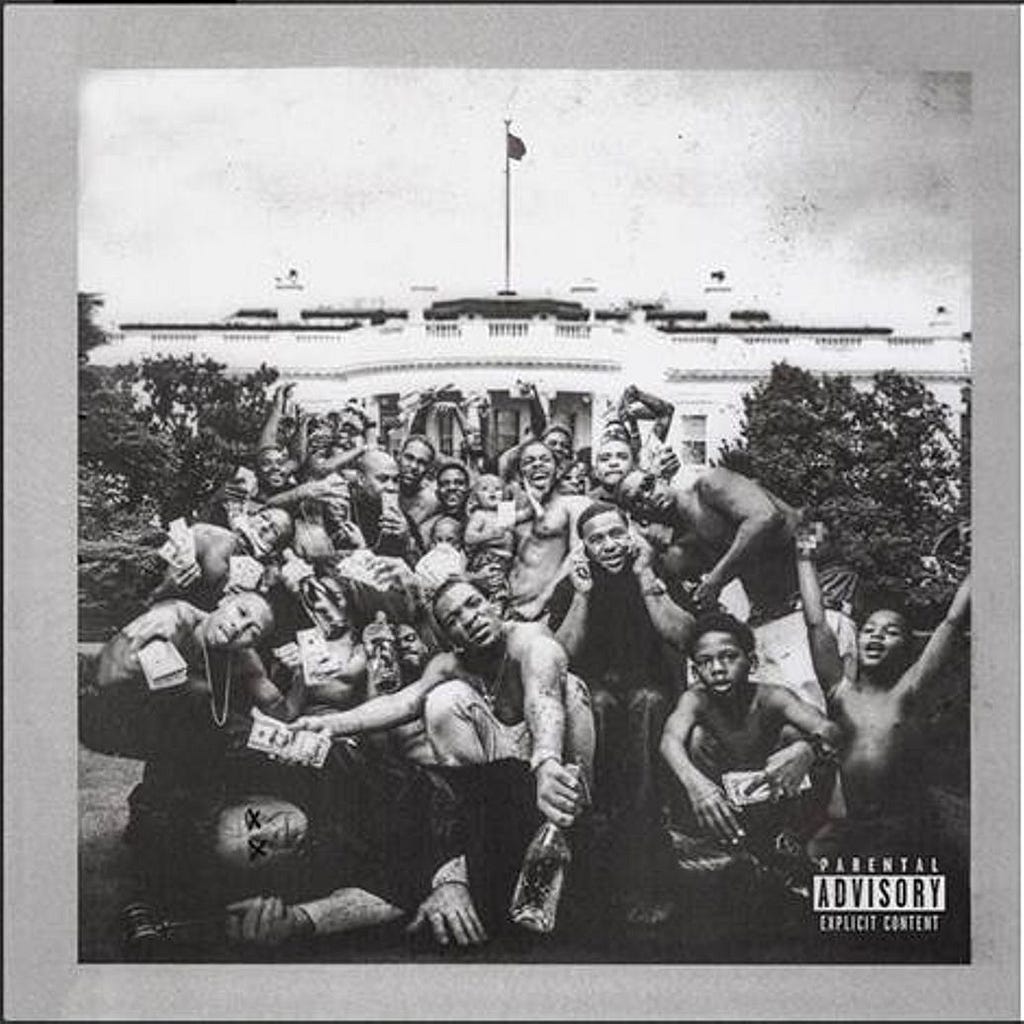
Kendrick Lamar — To Pimp A Butterfly, released March 15, 2015
Hands down, the most important black album released in the 21st century. The Compton native paralyzed the culture that took the time to digest this quality piece of art. Littered with references to black art (queue the Color Purple reference in Alright), Kdot weaved his story about making it out of the CPT streets within a tightly-braided base of jazz, funk and conscious rap. Creating a statement piece that paid homage to George Clinton, the Isley Brothers and NWA while speaking to our generation about the perils of being in between the glam of the music industry and the grime of the gang-infested streets our government supposedly cares about.
Clearest example of old-school elements: These Walls, a track liable to get you loose on the dance floor, Kdot found his pocket within a funky, almost Rick James-esque vibe as he drew parallels between prison walls and you know, pink matter.

The Internet — Ego Death, released June 26, 2015
The band that emerged from the ever-influential Odd Future collective, The Internet has built a sound off of instrumentation and the silky smooth, yet mildly unrefined voice of lead singer Syd tha Kyd. On this album, jazz is prevalent throughout as neo-soul tempos and even traces of Brazilian samba can be found through the airy execution of lyrics. Whether it’s the deep bass of Girl (featuring Kaytranada) or the tambourines on Go With It, many songs will remind you of what your parents played at cookouts and on Sunday mornings. While carrying these eerily reminiscent tones, the band pairs it with modern hues of 808 kicks and storylines only “millennials” can relate to.
Clearest example of old-school elements: Boasting the haunting opening lyric, “Did you see the news last night, they shot another one down”, Penthouse Cloud held a similar vibe to Marvin Gaye’s What’s Going On through the utilization of a slow tempo to maximize a conscious message, grabbing the soul and questioning it’s thoughts on our modern struggle.

Anderson .Paak — Malibu, released January 15, 2016
Like jumping into a time machine and playing the radio only to hear a rough voice doing a rapping while singing thing. Like listening to gospel after listening to Nate Dogg, Anderson .Paak blurs lines better than probably anyone mentioned in this piece. Hailing from Oxnard, California, the half-Asian and half-African-American crooner has taken over the scene with his deep fusion of rock, hip hop, funk and what seems like it could be gospel, minus some curse words. Even the album cover evokes a vibe that screams inclusion. Inclusion of ideas new and old so over time, the album’s percussions and riffs pair well with it’s drumpad blend, creating a perfect home for Paak’s vivid storytelling.
Clearest example of old-school elements: Am I Wrong, with such a groooooovy culmination of sounds, Paak paints the image of a man’s perception of a woman being molded on the dance floor. Lines like, “If she can’t dance, then she can’t ooooh?” utilize sounds to perpetuate a feeling that can’t be expressed with words, a very Michael Jackson-like move on a track.

BJ the Chicago Kid — In My Mind, released February 19, 2016
Religion and music has always been in this man’s life. Having grown up in the city that gifted us everything from Common Sense to Chief Keef and all the way over to Kanye West, the Chi built a musician with an intense level of taste for cadence, proper percussion and the occasional church-tone keys that curl the toes. BJ’s upbringing was exhibited on front street for this piece, as the layering of his backgrounds felt like the Winans while the soulful ballads of love felt like 90s R&B in it’s heyday, check out Love Inside for deeper perspective on that last sentence.
Clearest example of old-school elements: Raised in the church, it’s ironic that one of the most popular tracks on this album is entitled Church. The song that speaks on BJ’s encounter with a woman wanting to fornicate the night before BJ goes to church, the track’s dragged out tempo evokes a West Coast vibe as the beat creates pockets of tension for the interesting story to be told.

Kaytranada — 99.9%, released May 6, 2016
Typically boxed in as an electronic artist, the Canadian-born producer has built a catalogue with a variety of inspirations, emancipating him from the idea of a genre on your streaming service. In his debut studio album, we see tones and hues that match the tempo that was set by Rick James, Prince and David Bowie during the 80s. These subtle tones of disco and funk illuminate into a vivid sound, providing a perfect soundtrack to those nights out where dancing actually happens, instead of that whole crowd-around-a-bar deal…
Clearest example of old-school elements: Breakdance Lesson N.1, from the jump you hear that riff. Your feet move with the beat and you close your eyes only to find yourself dressed in shimmering clothing dancing at a discotech… Snap back into reality and you realize that this track just took you there. To a place where the groove took over instead of a step-by-step dance, as we typically see in the 21st century.
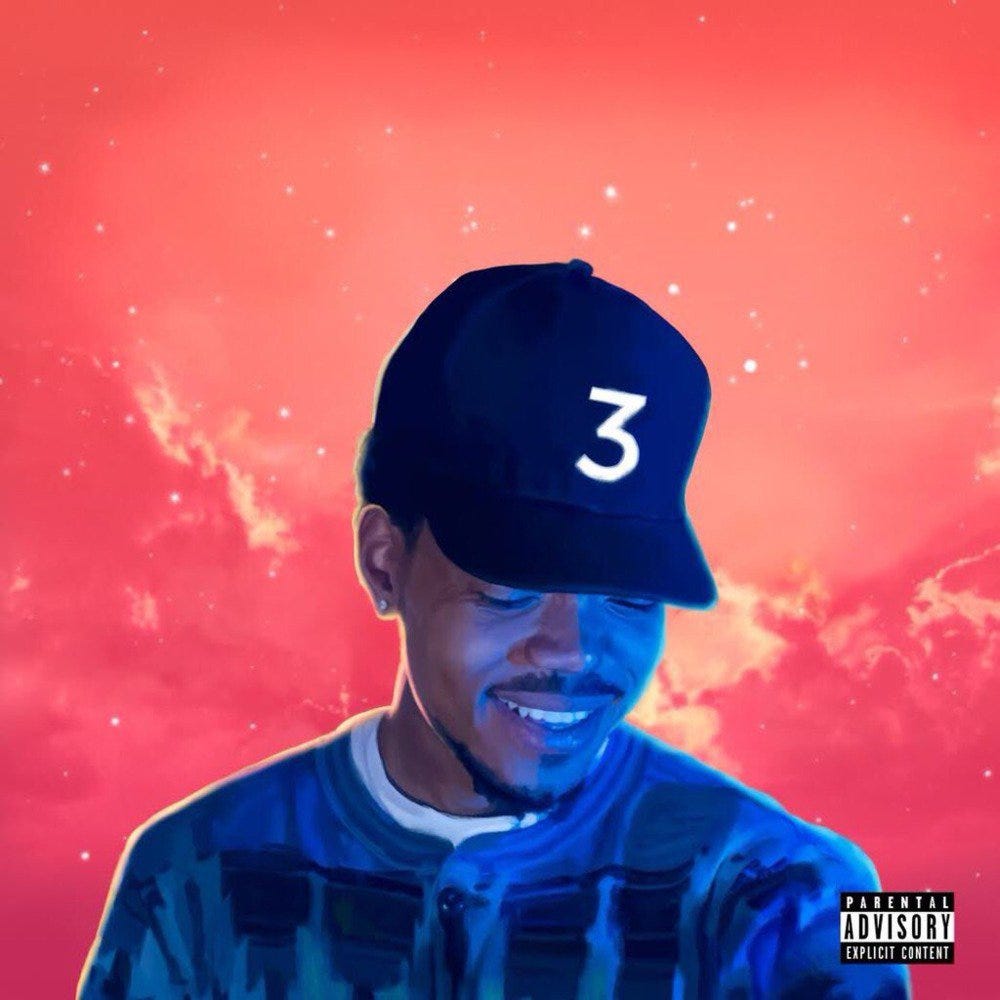
Chance the Rapper — Coloring Book, released May 12, 2016
For his third mixtape (though he sold it to Apple Music, but whatever…), Chancellor Bennett seemed to want to show his fans where his quirkiness comes from. Where that mercurial voice and audacious beat selection came from. Well, the inspirations are abundant yet one in particular shines through: The inspiration of church. Many tracks contain soulful choirs that elicit tears atop of deep 808s and Van Gogh-level imagery through lyrics. The Chicago boy became a man through the length of this project, showcasing evolution that is guided by his upbringing, which included using coloring books to stay busy in church on those windy mornings in the Chi.
Clearest example of old-school elements: How Great, close to two minutes of choir singing set the tone for the religious track that may make you question whether or not Chance is a Christian rapper who just happens to use curse words. Having built his experience leading choirs through work on TLOP, this track, which was actually a layering of a few voices, sounds like those Sunday mornings in church Chance initially had to go through yet ended up helping finding his tone and place in the future of black music.
When you turn the radio on nowadays, your speakers are filled with bass, melody and a culmination of words that render useless at times.
Though this may seem discouraging for the progression of black music, it could potentially be the downside of a cycle of quality music, meaning we are on the upswing. Even within the songs you can’t stand, you can find inspiration from the Bad Boy era of hip hop or messaging as simple and melodic as Kurtis Blow.
As the evolution continues to roll with the next generation of black musicians, the artists that curated these six albums will lead the next movement of quality music. All six albums attained a Metacritic (combination of all major album review scores) ranking of over 80, yielding widespread acclaim from the media and fans alike.
This is where the power of black music’s progression shows.
With increased technicality, complex rhymes and new ways to execute fusion of genres, look for quality black music to continue it’s plight, hopefully taking the mainstream eyes at some point.
Cherif Gueye
First published on Medium, Jun 1, 2016.